
Table of Contents
- What to Compare When Evaluating Roll-Off Dumpster Rental Options
- Dumpster Rental Size Guide: Choosing the Right Container
- Dumpster Rental Weight Limits and Overage Fees Explained
- Hidden Fees Most Providers Don’t Advertise
- Prohibited Items and Disposal Restrictions
- How to Prepare for a Dumpster Delivery
- Roll-Off Dumpster Rental Comparison: Local Specialist vs. National Provider
- Conclusion
Last Updated: August 14, 2026
Most people searching for a roll-off dumpster rental comparison make the same mistake: they call one provider, get a quote, and assume it’s representative. Pricing structures, weight limits, hidden fees, and service reliability vary significantly across providers, and the wrong choice can stall a project or inflate costs without warning. This guide breaks down exactly what to compare, what to watch for, and how to make a confident decision before you commit.
What to Compare When Evaluating Roll-Off Dumpster Rental Options
A proper dumpster rental comparison goes beyond price. The lowest quote rarely reflects the true cost once overage charges, extended rental fees, and delivery surcharges are factored in. Evaluate providers across these dimensions: pricing structure, service area, container availability, and customer support responsiveness.
The most reliable providers are transparent about every line item before you sign. If a provider’s website doesn’t clearly explain weight limits, overage fees, and prohibited materials policy, that opacity is a red flag.
Flat-Rate Pricing vs. Variable Fee Structures
Flat-rate pricing is a single all-inclusive fee covering delivery, pickup, a set rental period, and a defined weight allowance. What you see is what you pay, provided you stay within the weight limit and return the container on time.
Variable fee structures start with a base delivery charge and add separate line items for tonnage, disposal fees, landfill tipping fees, and extended rental days. These can be competitive at the low end, but costs escalate quickly on heavier debris loads.
For most residential and commercial projects, flat-rate pricing is the better option. It makes budgeting predictable and eliminates anxiety over tonnage. Variable pricing can work for experienced contractors who know their debris volume precisely, but it’s a gamble for first-time estimators.
Service Area, Availability, and Same-Day Delivery
Service area matters more than most renters realize. A national provider may list your zip code as covered, but actual delivery windows and local availability can vary widely depending on which regional partner handles your order.
Local specialists typically offer tighter delivery windows and more reliable same-day availability because their entire operation is built around a defined geography. When evaluating availability, ask directly: "Is same-day delivery available for my specific address, and what’s the cutoff time to request it?" A vague answer suggests the provider doesn’t control its own logistics.
Dumpster Rental Size Guide: Choosing the Right Container
Choosing the right container size is the single decision that most affects your total rental cost. Rent too small and you’re paying for a second haul. Rent too large and you’re paying for unused capacity. A dumpster rental size guide should match container dimensions to specific project types.
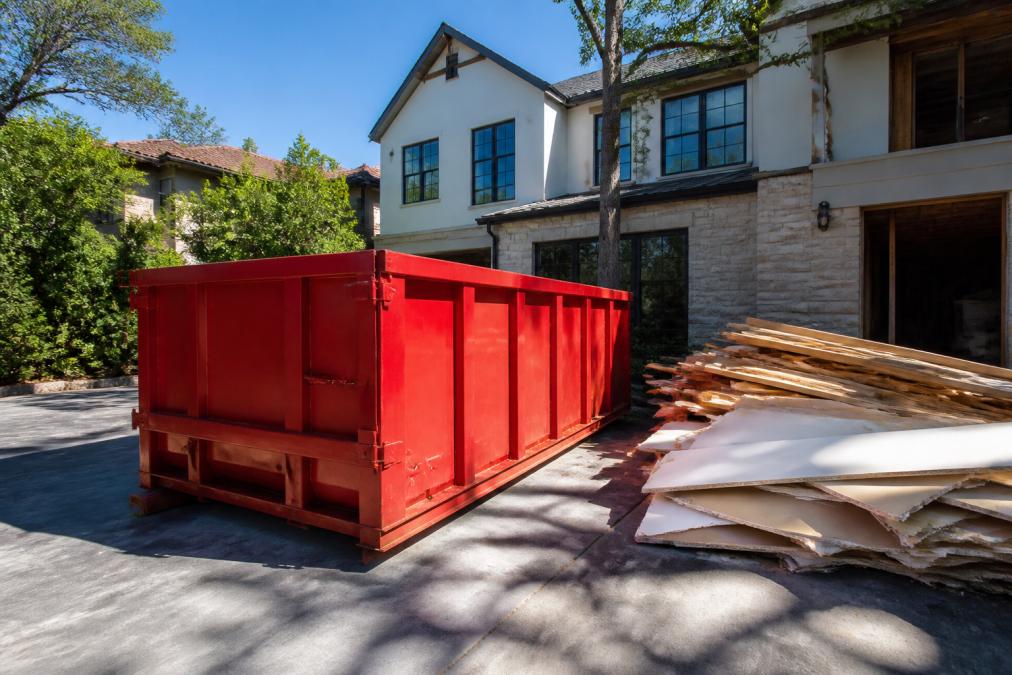
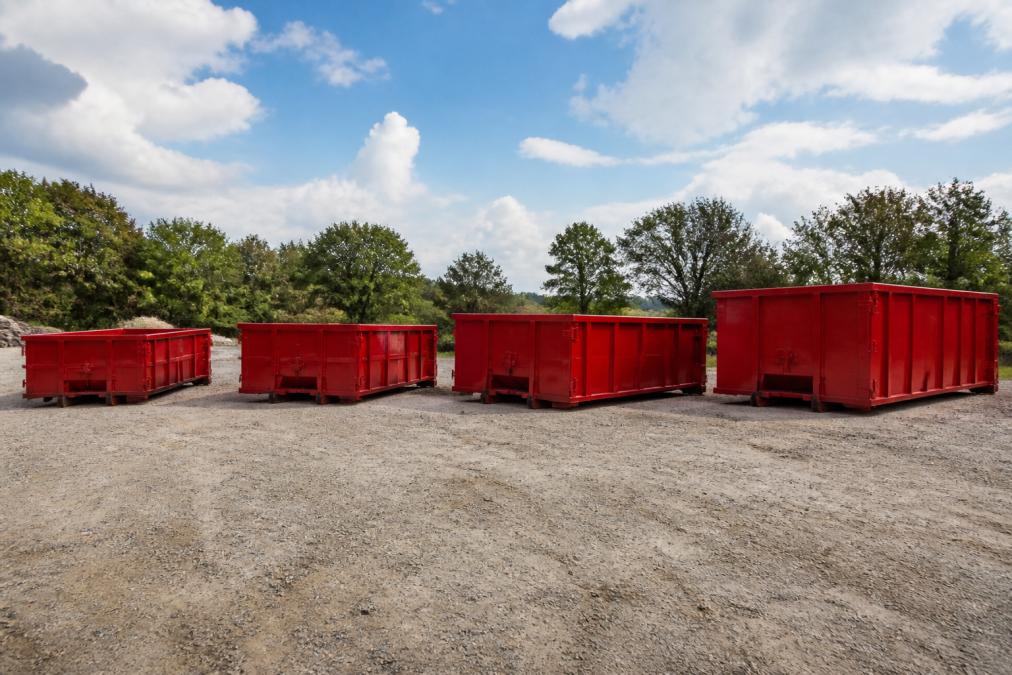
Austex Dumpsters offers four sizes: 15-yard, 20-yard, 25-yard, and 30-yard containers. Here’s how each maps to common project types:
| Container Size | Cubic Yard Capacity | Best For | Approximate Load Equivalent |
|---|---|---|---|
| 15-yard | 15 cubic yards | Small cleanouts, single-room renovations | 4-5 pickup truck loads |
| 20-yard | 20 cubic yards | Kitchen/bathroom remodels, roofing tearoffs | 6-7 pickup truck loads |
| 25-yard | 25 cubic yards | Multi-room renovations, deck removal | 8-9 pickup truck loads |
| 30-yard | 30 cubic yards | Full home cleanouts, construction debris, large commercial projects | 10-12 pickup truck loads |
Project-Specific Volume Estimates
Estimating debris volume before you rent prevents the most common mistake in dumpster rental: ordering the wrong bin size.
For roofing projects, shingles are dense. A standard 1,500-square-foot roof tearoff generates roughly 2-3 tons of material. A 20-yard container handles most residential roofing jobs, though larger roof areas may require a 25-yard.
For full home cleanouts, volume is typically high but weight is moderate. Furniture and appliances fill space faster than they add tonnage. A 25-yard or 30-yard container suits most whole-home projects.
For construction and demolition debris, the reverse is true. Concrete, tile, and brick are heavy relative to volume. A smaller container may be smarter to avoid exceeding weight limits.
For landscaping and yard waste, debris volume can be deceptive. Branches and brush compact poorly, so err toward a larger container than you think you need.
When in doubt between two sizes, choose the larger one. The cost difference between sizes is almost always less than the cost of a second delivery and pickup.
Dumpster Rental Weight Limits and Overage Fees Explained
Dumpster rental weight limits define the maximum tonnage included in your flat-rate price. Every container has one, and exceeding it triggers overage charges calculated per ton beyond the limit. This is where many renters get surprised.
According to EPA guidance on solid waste management, construction and demolition debris accounts for a significant share of total solid waste generated in the United States, and its weight per cubic yard varies dramatically by material type.
Overage fees are charged at a per-ton rate applied to every ton above your included allowance. On heavy debris loads such as concrete, roofing shingles, or soil, these charges can add meaningfully to your final bill. Always ask what the weight limit is before you rent.
Common weight limit scenarios to watch for:
- Concrete and brick: Extremely dense. Even a partially filled container can exceed the weight limit.
- Mixed construction debris: Moderate density. Standard weight allowances usually cover typical renovation loads.
- Household junk and furniture: Low density. Weight limits are rarely an issue, but volume fills the container quickly.
- Roofing shingles: Denser than they look. Multi-layer tearoffs are the most common source of overage charges on residential jobs.
Never load a roll-off container above the fill line marked on the container walls. Overfilled containers are a safety hazard during transport and may result in the hauler refusing to pick up the load.
Hidden Fees Most Providers Don’t Advertise
The gap between a quoted price and a final invoice is where most renter frustration originates. A transparent dumpster rental comparison has to address the fees that don’t appear on the initial quote.
The most common hidden charges include:
Fill Out Form to Request Dumpster Rental →
- Extended rental fees: Most providers include 7-10 days in the base rental period. Days beyond that carry a daily charge.
- Fuel surcharges: Some providers add a delivery surcharge that isn’t part of the advertised flat rate.
- Environmental or disposal fees: Landfill tipping fees are sometimes passed through as a separate line item rather than bundled into the quoted price.
- Permit fees: Containers placed on public property typically require a permit from the local municipality. Some providers handle this and charge accordingly; others leave it entirely to you.
- Overweight charges: Exceeding the weight limit triggers per-ton fees that can substantially increase your final cost.
Ask directly: "What is the complete list of fees I could be charged beyond the quoted price?" A trustworthy provider answers without hesitation.
Prohibited Items and Disposal Restrictions
Every roll-off dumpster rental comes with a list of prohibited materials. Disposing of restricted items can result in additional fees, load rejection, or environmental liability.
The EPA’s hazardous waste regulations under RCRA establish the federal framework for what qualifies as hazardous waste, and disposal of these materials in standard roll-off containers is prohibited nationwide.
Items universally prohibited in roll-off containers:
- Hazardous waste (paints, solvents, chemicals, pesticides)
- Asbestos-containing materials
- Tires
- Batteries (lead-acid and lithium)
- Propane tanks and pressurized containers
- Medical or biological waste
- Electronics containing hazardous components
Items that require clarification before loading:
- Appliances containing refrigerants (require certified removal before disposal)
- Mattresses (some providers accept them; others charge a separate fee)
- Dirt and soil (accepted by most providers but counts heavily against weight limits)
- Treated lumber (accepted by most; some landfills restrict it)
If you’re unsure whether a specific material is accepted, call the provider before loading.
How to Prepare for a Dumpster Delivery
Proper preparation before your container arrives prevents the most common delivery-day problems: blocked access, surface damage, and permit violations.
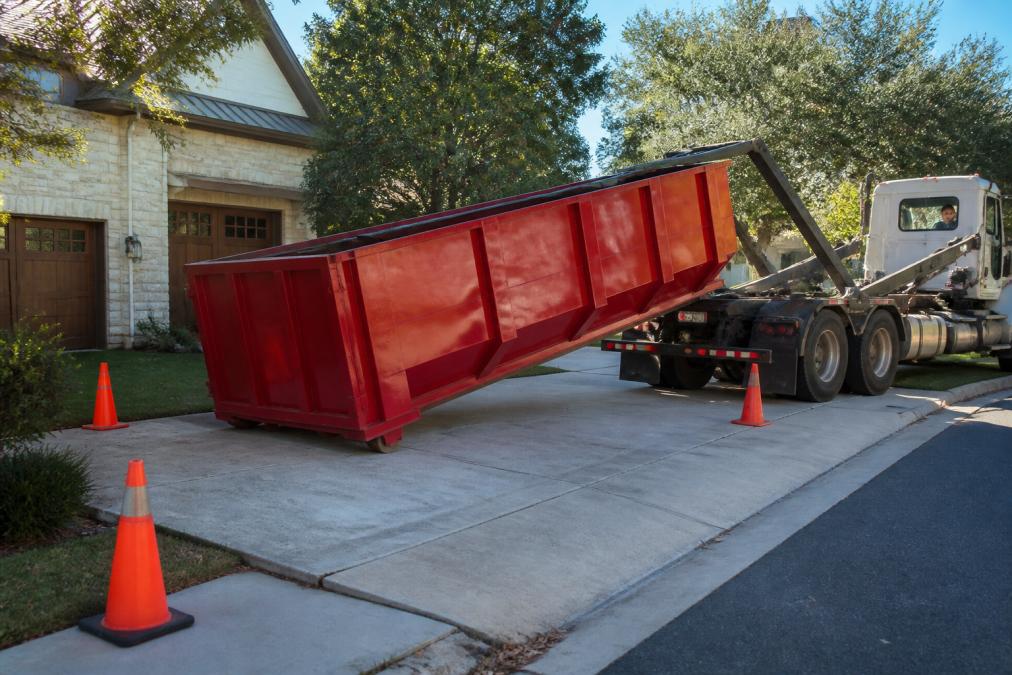
Identify the exact placement location before the truck arrives. The driver needs clear access and enough room to maneuver the container off the truck. Overhead obstructions, including tree branches and power lines, are the most frequently overlooked hazard.
Driveway Protection and Permit Requirements
Driveway protection is worth taking seriously. Roll-off containers are heavy, and the delivery truck adds significant weight to your driveway surface. Placing plywood boards under the container’s contact points distributes the load and reduces the risk of cracking asphalt or damaging concrete.
Permit requirements vary by municipality. Containers placed entirely on private property generally don’t require a permit. Containers that extend onto a public street, sidewalk, or right-of-way typically do. Check with your local city or county public works department before scheduling delivery if the container will occupy public space.
Preparation checklist before delivery:
- Confirm the placement area is clear of vehicles, equipment, and debris
- Measure the space to confirm the container fits with room for the delivery truck to maneuver
- Check for overhead obstructions (branches, wires, overhangs)
- Obtain a permit if the container will occupy any public right-of-way
- Lay plywood boards if protecting an asphalt or concrete driveway
- Confirm the delivery window with the provider the day before
Roll-Off Dumpster Rental Comparison: Local Specialist vs. National Provider
The most consequential decision in any dumpster rental comparison is whether to rent from a local specialist or a national provider. Both have legitimate advantages, and the right answer depends on your project type and what you value most.
| Factor | National Provider | Local Specialist |
|---|---|---|
| Service area | Broad nationwide coverage | Defined local geography |
| Pricing transparency | Often flat-rate with online quotes | Varies; some require a call |
| Same-day delivery | Depends on regional partner | More reliable when available |
| Customer service | Call center, variable quality | Direct access to local team |
| Container availability | Larger fleet, more sizes | Focused inventory for local demand |
| Permit handling | Varies by provider | Local knowledge, faster resolution |
| Accountability | Corporate escalation process | Direct owner accountability |
National providers offer convenience and brand recognition. Their online quoting systems make it easy to compare prices without calling, and their broad service area means they can cover projects in locations where local options are limited.
Local specialists know the local permit landscape, have direct relationships with regional landfills and recycling facilities, and can often respond faster to schedule changes or problems. For residential homeowners and contractors working within a defined service area, a local specialist almost always delivers a better experience.
Austex Dumpsters operates as a local specialist built specifically for the Austin market, with same-day delivery available when you need it, expert guidance on sizing, and straightforward pricing designed to eliminate surprises. Whether you’re managing a roofing tearoff, a full home cleanout, or a multi-phase commercial project, the right container and the right service make the difference between a project that runs on schedule and one that doesn’t.
The hardest part of a roll-off dumpster rental comparison is knowing what questions to ask before you commit. Hidden fees, weight limit overages, and the wrong container size are the three most common reasons a simple rental turns into a costly headache. Austex Dumpsters addresses all three directly: expert sizing guidance to match the right container to your project, transparent pricing with no surprise line items, and same-day delivery when your schedule demands it. Fill out the form to request your dumpster rental and get your project moving without the delays.
Frequently Asked Questions
What factors should I compare when choosing a dumpster rental company?
The most important factors are pricing transparency, available container sizes, weight limits, rental period length, overage fee policies, and pickup reliability. Ask whether the quoted price is flat-rate or variable, what debris types are accepted, and whether same-day or scheduled delivery is available. A local provider with direct customer support often resolves issues faster than a national broker who dispatches third-party haulers.
What is the most common roll-off dumpster rental size?
The 20-yard roll-off container is the most frequently rented size for residential projects. It handles the debris volume from a mid-size kitchen or bathroom renovation, a full garage cleanout, or a roofing tearoff on a standard home. If your project is heavier than average, such as concrete removal or a multi-room gut, stepping up to a 25-yard or 30-yard container avoids overage charges and the cost of a second haul.
What are the common restrictions for roll-off dumpster rentals?
Most providers prohibit hazardous waste, including paint, solvents, motor oil, batteries, asbestos, and propane tanks. Electronics, tires, and appliances containing refrigerants are also commonly restricted. These materials require specialized disposal under EPA and state environmental regulations and cannot go to a standard landfill. Always confirm the prohibited materials list before loading the container to avoid rejection fees or load reclassification charges.
Is it cheaper to rent a dumpster or haul debris yourself to the dump?
DIY hauling can appear cheaper upfront, but the real cost includes truck rental, fuel, landfill tipping fees per ton, multiple trips for large projects, and your time. For projects generating more than a pickup-truck load of debris, a roll-off dumpster rental is typically more cost-effective and far more convenient. The flat-rate pricing model most reputable providers offer bundles delivery, pickup, and disposal into a single predictable charge.
How does rental duration affect the total cost of a dumpster rental?
Standard rental periods typically run seven to ten days, though this varies by provider. Extending beyond the included period usually triggers a daily rate, which can add up quickly on longer projects. Before booking, confirm the exact rental period, the daily extension rate, and whether pickup can be scheduled on demand. Planning your project timeline around the rental window prevents unnecessary extension fees.
This article was written using GrandRanker